How to Choose a Dubai Buggy for Desert Rides
Understanding Your Needs and the Terrain
Before you start looking at different dune buggy models, it pays to think about where and how you plan to ride. The desert around Dubai is not a single flat surface. You will find hard-packed sand near the city edges, soft, shifting dunes deeper in places like the Lahbab desert, and occasional rocky patches. Each surface rewards a different kind of vehicle. A buggy that feels great on a graded trail can struggle when the sand gets deep. So your first step is to match the buggy to the ground you intend to cover most often.
Size and Seating Capacity
Buggy size matters for more than comfort. A two-seater is nimble and lighter, which helps it ride higher on soft sand. Four-seaters give you room for passengers or extra gear but are heavier and may sink more on loose dunes. If you plan to ride alone or with one other person, a compact two-seater often handles better on sharp climbs. For group outings, a larger model can work, but you need to watch its weight and tire setup. Do not assume bigger means better; the extra mass changes how the buggy behaves on steep slopes and in tight turns.
Engine Power and Type
Engines in Dubai buggies generally fall into two camps: standard petrol engines and the more powerful options found in some dune buggy models. A higher horsepower engine gives you more torque for climbing big dunes, but it also adds weight and fuel consumption. For most riders, a mid-range engine offers a good balance. You want enough power to crest the dune without losing momentum, but not so much that the buggy becomes hard to control on narrow ridges. Pay attention to the engine's cooling system too. Desert heat puts serious strain on an engine, and a well-ventilated or liquid-cooled setup can make the difference between a smooth ride and an overheated stop. It is worth checking the specifications of whatever you are considering, and for a broad overview of what is available you might look at resources such as dunebuggyadventure.co for general information on different models and features.
Tires and Their Role
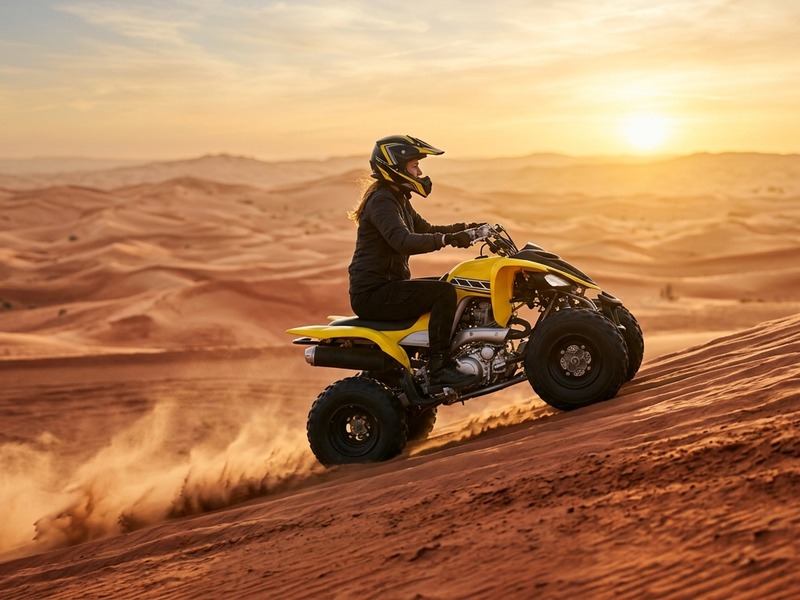
An all-terrain tire is essential, but not all all-terrain tires are the same. On desert sand, you want a tire with a wide footprint and a tread pattern that does not dig in too aggressively. Soft, deep sand calls for tires that float rather than plow. Some buggies come with adjustable tire pressure systems that let you let air out for better grip on loose sand and pump them back up for harder trails. If you plan to ride on mixed surfaces, that adjustability is valuable. Check the tire condition before every ride. Worn treads or cuts from sharp rocks can leave you stuck miles from the nearest track.
Safety Features and Harnesses
Desert riding is exhilarating, but the environment is unforgiving. A roll cage is the most important safety structure on any buggy. It should be made of sturdy metal and properly welded, not bolted together with weak joints. Seat belts or harnesses are equally critical. Look for a four-point or five-point harness that holds you firmly in place. Loose belts let you slide around in the seat, which can cause loss of control over rough ground. Some buggies also have a kill switch tether that cuts the engine if the driver is thrown from the seat. That is a small feature that can prevent a runaway vehicle. Never compromise on safety gear to save money or get a flashier model. A ride through the dunes is not the place to discover that your harness buckle is poorly made.
Speed Limits and Local Regulations
Dubai has clear rules for off-road vehicles. Speed limits apply on many desert tracks, especially near protected areas and residential zones. A buggy that can hit high speeds might be fun on open stretches, but you need to respect the posted limits. Some rental operators and guided tours enforce their own speed caps, and for good reason. High speed on soft sand reduces control and increases the chance of a rollover. When you choose a buggy, ask about its top speed and whether it has a governor. You do not need a machine that can do 100 km/h if the trails you plan to ride limit you to 50 km/h. A slower, more stable buggy often gives you a better experience because you can focus on reading the terrain rather than wrestling the steering wheel.
Permit Requirements and Documentation
Riding a buggy in the Dubai desert is not something you can do without the right paperwork. A permit requirement exists for most areas, and you need to carry proof of registration or rental authorization. If you are buying your own buggy, you must register it with the relevant authorities. The process includes a vehicle inspection to confirm it meets safety and emission standards. If you are renting, the operator should handle the permits, but you should still ask to see them before you head out. Riding without the proper documents can lead to fines and impoundment. It is also worth confirming that the buggy is insured for off-road use. Standard vehicle insurance often does not cover desert driving. A quick check with the rental company or the seller can save you a lot of trouble later.
Checking the Buggy's Condition
Whether you are buying new or used, inspect the buggy thoroughly. Look for cracks in the frame, rust on metal parts, and signs of wear on the suspension. Test the steering for any unusual looseness or stiffness. The brakes should feel firm and responsive. Listen for strange noises from the engine and gearbox. A well-maintained buggy will have clean fluids and no leaks. If you are not confident doing this yourself, bring someone who knows engines. For a more comprehensive list of what to check, you can refer to guides like those found on dunebuggyadventure.co, which cover general inspection points for different types of desert vehicles. Do not let a shiny paint job distract you from a worn-out drivetrain.

Test Ride and Feel
Nothing replaces actually sitting in the buggy and driving it. A test ride tells you how the controls fall under your hands, how the seat supports you, and how the buggy responds to small steering inputs. On sand, pay attention to how the buggy handles when you turn sharply or go over a small dune crest. Does it feel stable? Does the steering require too much effort? Does the seat stay comfortable after a few minutes? These are things you cannot assess from a spec sheet. If the seller or rental operator will not let you test it on a similar surface, that is a red flag. A reputable provider will encourage a trial run because they know their equipment performs well.
Considering a Guided Ride vs. Going Solo
For newcomers to desert buggy riding, a guided outing can be a smart choice. Guides know the safest routes, the best dunes for a sunset ride, and how to avoid areas with hidden hazards. They also carry recovery equipment in case a buggy gets stuck. Riding solo gives you more freedom but demands more preparation. You need to know the area, carry enough water, have a means of communication, and understand how to self-recover if you get bogged. Both approaches have their merits. The right choice depends on your experience level and how much risk you are comfortable with. One local option is Buggy Adventure Dubai | ATV Quad Bike Tours & Desert Safari Dubai. It is worth confirming with whichever business you choose what their specific policies are regarding permits, insurance, and test rides, as these details vary between providers.
Choosing a Dubai buggy is about matching the machine to the desert and to your own skill level. Take your time, ask questions, and do not rush into a purchase or rental. The right buggy will make your time in the dunes memorable for all the right reasons.
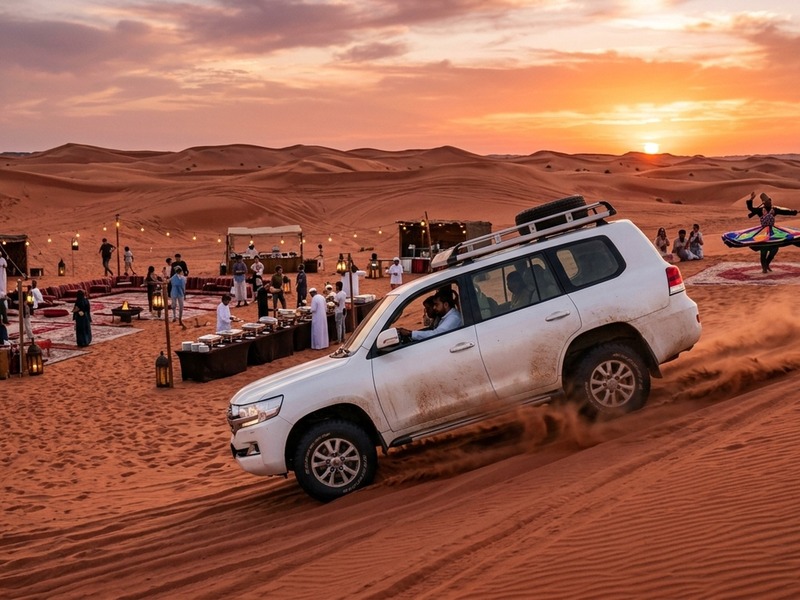
Buggy Adventure Dubai | ATV Quad Bike Tours & Desert Safari Dubai is located at Regalia Tower, Ground Floor Office No. 5 - Business Bay - Dubai - United Arab Emirates.